Building Climate Resilience Through Data: How Mgona’s Updated Settlement Profile Drives Inclusive Slum Upgrading
A Community Rising Through Evidence
In the heart of Lilongwe, Mgona Ward stands as a testament to the resilience and determination of urban communities facing climate and development challenges. Once known primarily for its dense informal settlements and flood-prone zones, Mgona is now emerging as a model for data-driven transformation. The recently updated Settlement Profile, developed under the Accelerating Locally-led ResponsesTo Climate Change in Informal Settlement and slums (ALLRCISS) programme, provides a powerful evidence base for inclusive planning, climate adaptation, and sustainable upgrading.
“This profile is not just a document, it’s a mirror reflecting our realities and a map guiding our future,” says Mr. Chikondi Phiri, Chairperson of the Mgona Ward Development Committee (WDC).
Collaboration Rooted in Community
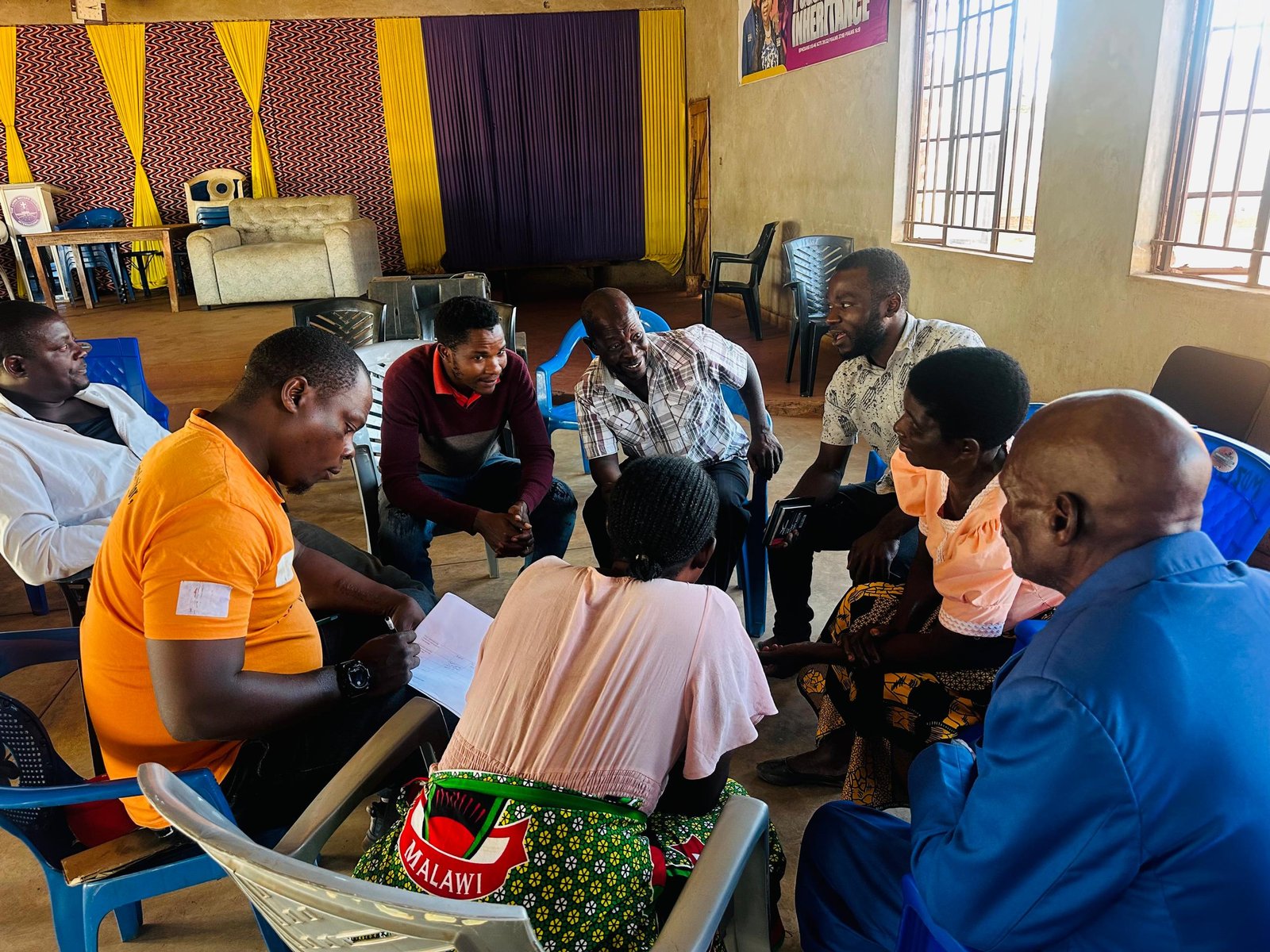
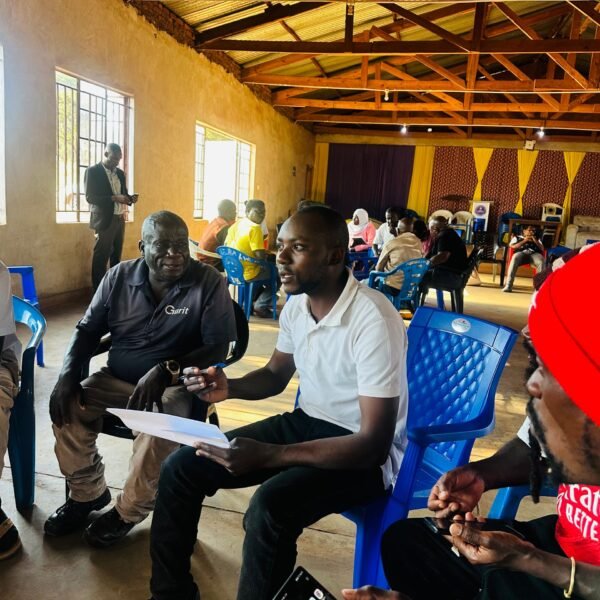
The update was spearheaded by CCODE, in partnership with the Department of Urban Development, Lilongwe City Council,and the Federation of the Rural and Urban Poor. What makes this process remarkable is its participatory nature: residents, youth leaders, health workers, and religious figures all contributed their voices and insights.
“We wanted the data to speak for the people, not just about them,” explains CCODE Project manager, Mr. Mazgo Khonje.
“Every household survey, every focus group discussion was a step toward empowering communities to shape their own development.”
This inclusive approach ensures that upgrading plans are grounded in lived experiences, not external assumptions.
The Findings: Unveiling Mgona’s Realities
The updated profile paints a vivid picture of housing conditions, infrastructure gaps, and climate vulnerabilities.
Housing: Over 90% of structures are semi-permanent, exposing residents to risks during heavy rains.
Infrastructure: Poor drainage and limited waste management systems exacerbate flooding and health hazards.
Livelihoods: 95% of residents depend on piece work and small scale businesses, making them economically vulnerable to climate shocks.
Social Services: Access to clean water, sanitation, and healthcare remains uneven, especially in flood-prone zones.
“When floods come, they wash away not just our homes but our hopes,” shares Mrs. Esnart Mbewe, a resident and local entrepreneur.
“We need solutions that protect both our lives and livelihoods.”
“Data gives us the power to plan, to advocate, and to demand accountability,” emphasizes Ms. Grace Tembo, a youth leader from Mgona.
Voices of Change: From Vulnerability to Leadership
The profile has become a rallying point for local leadership and youth activism. Young people are leading awareness campaigns on waste management and flood preparedness, while women’s groups are championing safe housing initiatives.
“We are no longer waiting for help, we are part of the solution,” says Mr. Simplex Chande, a youth climate ambassador.
“Resilience starts with knowledge, and knowledge starts with data.”
Data as a Catalyst for Dignity
Mgona’s journey shows that data is not just numbers; its dignity, direction, and dialogue. By turning evidence into action, the community is rewriting its narrative from vulnerability to resilience. The updated Settlement Profile stands as a beacon for other informal settlements across Malawi, proving that inclusive, data-driven planning can pave the way for equitable urban transformation.
“When communities own their data, they own their future,” concludes CCODE Executive Director, Zilire Luka..
“Mgona is living proof that resilience grows where participation thrives.”
