
From Vulnerability to Leadership: Youth Shaping Climate Resilience in Urban Slums
Climate change does not discriminate, but its impacts are not experienced equally. In informal settlements, floods, strong winds, prolonged dry spells, and extreme heat threaten homes, livelihoods, education, and health every year. Conversations about climate vulnerability often focus on women, children, older persons, and people with disabilities and rightly so. Yet one group is frequently missing from these discussions: young people.
Young people are often seen as volunteers who help during emergencies or participants in awareness campaigns, but they are rarely recognised as decision-makers capable of shaping climate solutions. Across informal settlements, however, they are living with the same climate risks, losing businesses, missing school and work, and watching their communities struggle to recover. They are not just witnesses to the climate crisis; they are directly affected by it.
This was the narrative that the Youth Convening for Climate Justice and Housing sought to change.
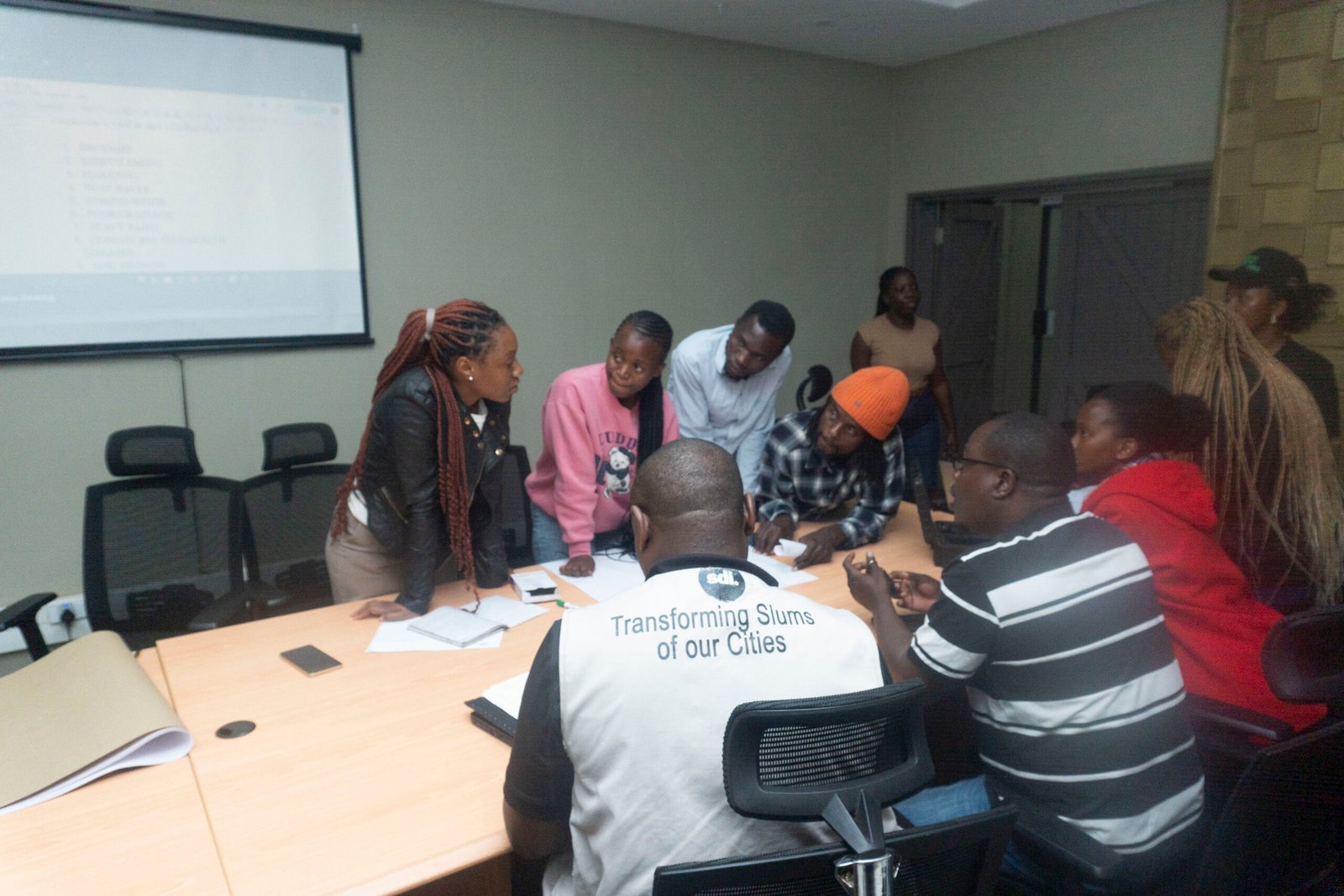
Held in Lilongwe, the convening brought together young people from Chinsapo, Kawale, Mgona, and Mtandile to discuss the realities of climate change in their communities and identify practical actions they could lead themselves. Supported by the Centre for Community Organisation and Development (CCODE), Slum Dwellers International (SDI), the Department of Urban Development under the Ministry of Lands and Housing, and the Lilongwe City Council (LCC), the meeting created a platform where young people were not simply consulted, they were recognised as partners in building climate-resilient communities.
For many participants, the convening was the first opportunity to openly discuss how climate change is disrupting their lives.
“This meeting has given us the platform to express the challenges we face in our settlements as youth. Chinsapo experienced heavy rains accompanied by strong winds that displaced many young people and destroyed their businesses,” shared one participant from Chinsapo.
The discussions revealed that climate change is not only an environmental issue it is also a youth development issue. Floods destroy small businesses run by young entrepreneurs, damaged infrastructure limits access to education and employment, while recurring disasters reduce opportunities for young people to improve their livelihoods.
Rather than focusing only on the challenges, the convening encouraged participants to think about solutions.
Working in groups, the youth developed action plans tailored to the needs of their respective settlements. Their proposals included conducting community awareness campaigns on climate change, organising drainage clearing initiatives to reduce flooding, strengthening collaboration with community leaders, and mobilising fellow young people to participate in environmental restoration efforts.
One solution consistently emerged across all four settlements: tree planting.
However, the discussion quickly moved beyond simply planting trees to addressing a more important question: how can communities ensure that those trees survive?
This question resonated with representatives from the Lilongwe City Council, who highlighted that while thousands of tree seedlings are distributed every year, survival rates remain low because long-term ownership is often missing.
“We don’t want youth groups to simply collect trees, plant them, take photographs for the media, and leave them unattended,” explained Cydric Tambala, Environmental Officer at Lilongwe City Council. “The council follows up these initiatives, and unfortunately many trees do not survive. We encourage young people to take leadership not only in planting trees but also in protecting and nurturing them.”
His message shifted the conversation from numbers to impact. Climate action is not measured by the number of seedlings planted but by the number of trees that continue to grow years later.
The young people responded with equal commitment.
“We will work with our community leaders to establish by-laws and community commitments that protect the trees. During periods of low rainfall, we will organise ourselves to water them and ensure they survive,” one youth group pledged during their presentation.
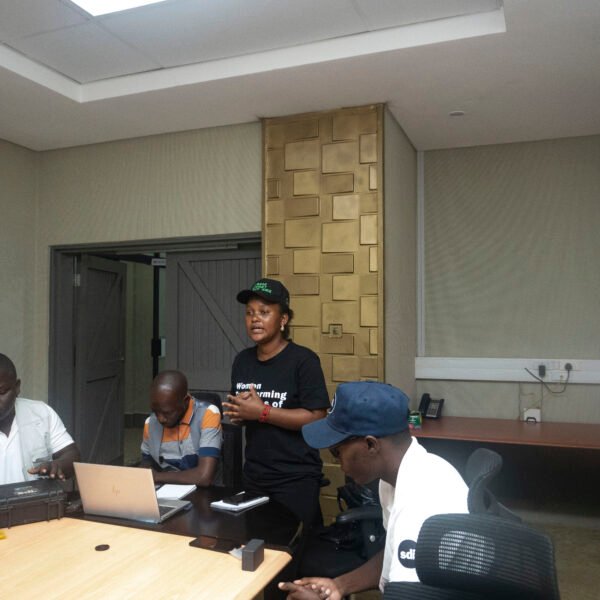
youth leading the youth convening climate justice and housing
This commitment reflected a deeper understanding that sustainable climate action requires accountability, collaboration, and community ownership.
The convening demonstrated that young people are not waiting to be handed solutions, they are ready to design and implement them. What they need is meaningful inclusion, access to resources, and the trust to lead.
As climate change continues to reshape the future of cities, investing in youth leadership is no longer optional. Young people possess the energy, local knowledge, creativity, and commitment needed to strengthen resilience in informal settlements. When they are given space to influence decisions and take ownership of community initiatives, climate action becomes more sustainable and more impactful.

