
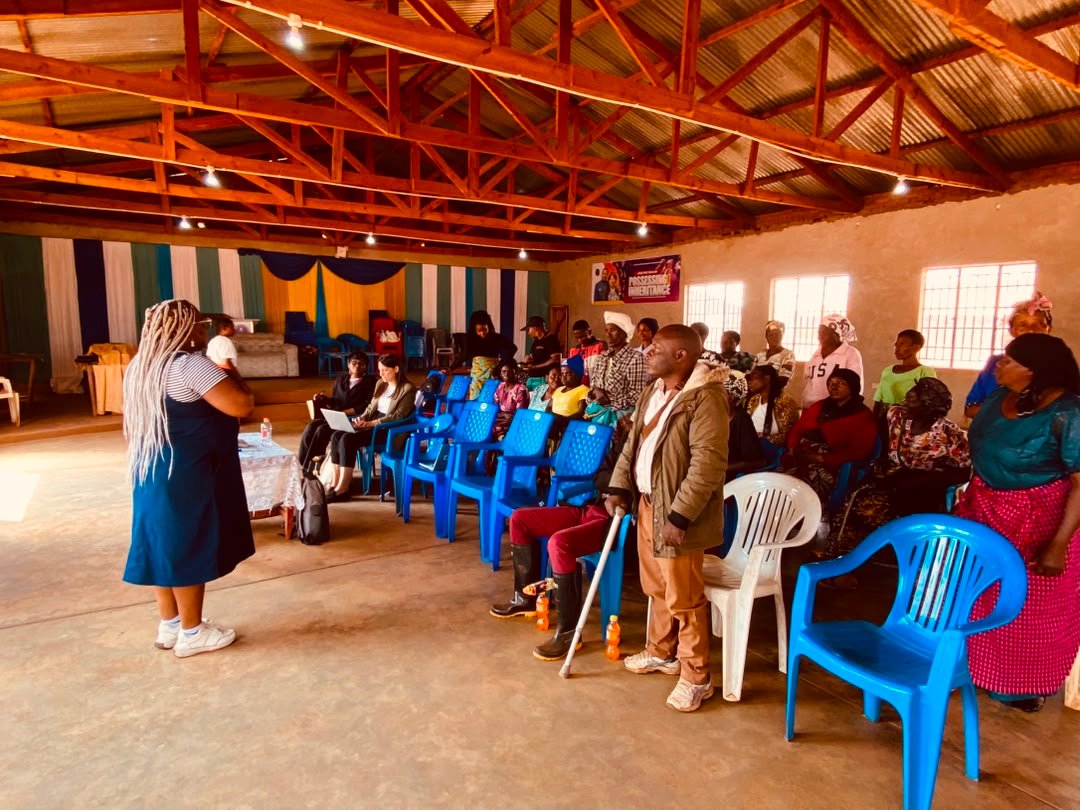
Putting People First: How Safeguarding Training is Building Safer Communities.
For waste entrepreneurs in urban Malawi, daily work carries constant risks. These range from handling sharp objects and hazardous waste to working without protective gear. Yet physical safety is only part of the issue. Who protects community members from abuse, harassment, exploitation, discrimination, violence, or the misuse of power?
As communities join initiatives to boost livelihoods and resilience, safeguarding becomes vital. It is more than a policy requirement. It is a commitment to protect dignity, prevent harm, and ensure everyone participates without fear of abuse, exploitation, discrimination, or neglect.
Safeguarding Awareness Sessions
Recognising this need, the Centre for Community Organisation and Development (CCODE) began safeguarding awareness sessions with waste entrepreneurs in March 2026. These sessions are part of a broader effort to strengthen safeguarding across CCODE-supported communities in Lilongwe, Mzuzu, and Blantyre. The goal is to help residents understand practical safeguarding, recognize risks, know their rights and duties, and report harm through proper channels.
For many participants, the training was their first formal intro to safeguarding. Across Mgona, Mtandile, and Mtsinje, initial sessions reached 132 waste entrepreneurs:
- Women made up the majority, with 93 attending across all three settlements.
- Youth involvement was strong at 43 participants, highlighting accessible reporting tools for young members.
Including persons with disabilities reinforced equality and non-discrimination in community groups.
Key Policy & Training Focus Areas
During the sessions, facilitators introduced CCODE’s Safeguarding Policy and Code of Conduct. Discussions covered preventing sexual abuse, harassment, power abuse, discrimination, violence, child safety issues, neglect, confidentiality, and inclusion. Participants also learned about reporting channels, including the email safeccode@gmail.com. The training helped participants move beyond theory and identify real-life risks.
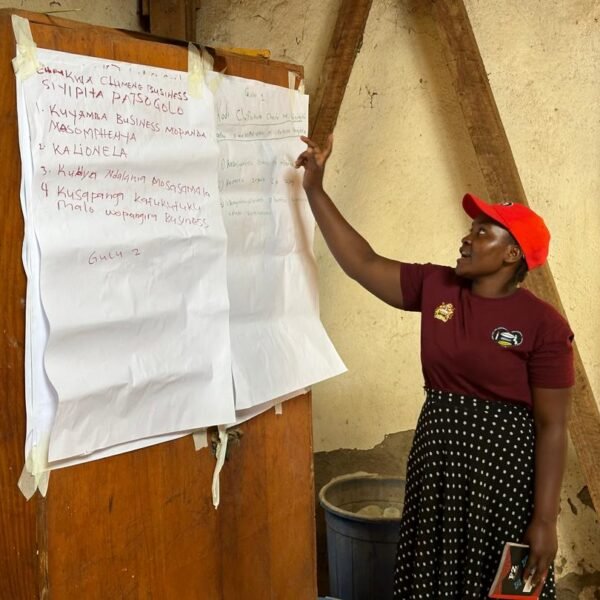
community member presenting on safeguarding
Addressing Realities: Health, Safety, and Power Dynamics
Discussions tied safeguarding to daily work realities. Waste entrepreneurs highlighted sharp objects, limited protective gear, inadequate first aid, and unsafe work sites. While these are occupational safety issues, they also pose a broader safeguarding question: Are programs protecting people from preventable harm?
The issue goes beyond physical safety. A participant in Mtandile recalled a group leader in Blantyre whom police arrested after he demanded sexual favours from a female member for a leadership role. This case showed how leaders misuse power and why safeguarding must address exploitation, harassment, and power abuse alongside physical risks.
The training shifted how participants viewed safeguarding and their role in it. One attendee shared:
“Before the training, I never knew what safeguarding meant. We were simply doing our work, and if any issues occurred, we didn’t know where to report them or how to handle them. Now I understand that safeguarding is everyone’s responsibility, and I know the proper channels to follow when concerns arise,”
Community Action & Committee Structures
The training turned principles into practical action. Each waste group set up a safeguarding committee to receive and handle concerns. Organizers deliberately included women and youth, so structure stayed representative and accessible. Groups also adopted steps like strengthening reporting paths, building safe workplace norms, spotting risks early, and maintaining confidentiality.
Looking Forward
This experience shows why safeguarding belongs at the core of community development. Protecting people is not an afterthought for when harm occurs; organizations must build it into everyday systems, relationships, and spaces.
These sessions advance CCODE’s goal to embed safeguarding across its programs. Moving forward, CCODE will expand awareness to housing and savings groups, strengthen reporting mechanisms, integrate safeguarding into meetings, and address workplace safety risks. These efforts give more community members the knowledge to build safer, inclusive spaces.
Safeguarding goes beyond responding to problems. It builds a culture where people know their rights, feel valued, and speak up. As communities drive development, safety and dignity remain vital. Development cannot be truly community-led unless people have the power to speak out, challenge abuse, and hold offenders accountable.
Author


