
Voices of Mtandire: Tackling Environmental and Cholera Risks from the Ground Up
How community validation, geospatial data, and lived experiences are shaping a healthier, more resilient informal settlement in Lilongwe.
Living on the Frontlines of Urban Health
In the densely populated informal settlement of Mtandire, Lilongwe, navigating daily life means confronting a delicate balance between environmental hazards and public health risks. Rapid urbanization, combined with accelerating climate impacts, has heightened the community’s vulnerability to waterborne outbreaks such as cholera. Yet, numbers and survey metrics alone tell only part of the story. True solutions emerge when data meets the lived realities of the residents themselves.
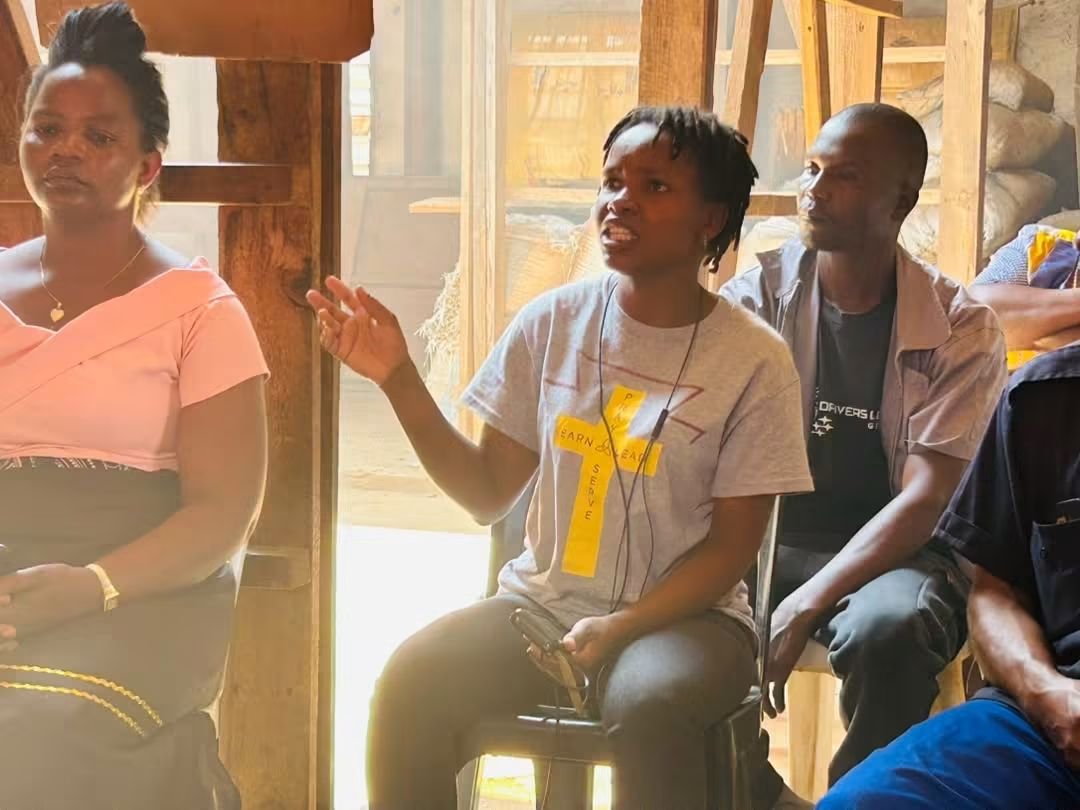
To bridge this gap, the Centre for Community Organisation and Development (CCODE) under the project “Revolutionising Use of Geospatial Data for Climate-Health and Infectious Diseases,” led by the Humanitarian OpenStreetMap Team (HOT) and funded by Wellcome Trust conducted an extensive household cholera survey. Beyond collecting spatial and household metrics, the team brought together 35 local residents, data collectors, and stakeholders for a validation meeting on September 25, 2026, transforming raw data into an active co-analysis of their community’s future.
Water & Sanitation: High Reliance, Persistent Pressure
Access to safe water remains one of Mtandire’s most urgent challenges. While 67.1% of surveyed households rely primarily on piped water kiosks, a significant 32.2% depend on protected wells. During the validation session, residents candidly explained the driver behind well reliance: “Some community members use protected wells simply because they do not have access to tap water; however, this water is not treated, they just draw and use it”.
Water reliability creates another layer of strain. Although boreholes provide consistent year-round supply for many, tap water users reported severe service interruptions, noting they “sometimes go without water for days and weeks”. Consequently, 43.5% of households resort to storing water in containers for handwashing, a safety net that paradoxically increases contamination risks if storage vessels are not rigorously managed.
Sanitation infrastructure faces similar bottlenecks. Although pit latrines with slabs cover 59.2% of the settlement, shared usage remains widespread, with 64.3% of facilities shared among 3 to 6 households and in some cases, up to ten families per toilet. Local representatives from the Lilongwe City Council (LCC) emphasized during the meeting that “sharing toilets puts immense pressure on facilities and dramatically increases disease transmission in such high-density settings, highlighting why each household still needs its own dedicated facility”.
Waste, Drainage, and Environmental Risks
Environmental surroundings play a decisive role in public health outcomes. Survey findings revealed that 77.3% of homes sit near visible waste accumulation, while 34.1% regularly face flooding or stagnant water. Compounding these figures, 54.9% of households lack proper drainage channels, forcing reliance on open spaces, burning, or drainage pathways for waste disposal.
Reflecting on these environmental risks, community members stressed that lasting change requires shifting daily habits alongside municipal support. As one participant pointed out, “There is a greater need for a mindset change amongst community members when it comes to disposing of waste unhealthy practices will not shift through a once-off campaign, but through sustained engagement and repeated dialogue”.
Overcoming Barriers to Healthcare and Awareness
When illness strikes, navigating health services presents systemic hurdles. Nearly three-quarters of households (74.9%) report difficulties accessing healthcare, driven by distance (71.4% live more than 5 km from a public facility) and long waiting times. Residents noted that because local options in Mtandire are predominantly private, they must travel all the way to Area 18 Government Hospital for affordable care, where they frequently face shortages of essential medicines.
Communication strategies also require refinement. While 73.3% of residents receive cholera information via radio and 68.6% from health workers, community members expressed a clear desire to move beyond basic awareness toward detailed education regarding disease transmission, causes, and treatment. To broaden reach, participants suggested extending outreach directly to schools, churches, and door-to-door campaigns.
Community-Led Recommendations and the Road Ahead
Rather than viewing health risks as purely individual responsibilities, the residents of Mtandire outlined structural, actionable priorities to guide city authorities and development partners:
- Water Infrastructure & Treatment: Launch household chlorine distribution drives, organize safe water treatment campaigns, and engage the Water Board to expand free household connections.
- Sanitation Upgrades: Promote private household latrine construction to minimize shared sanitation congestion and improve long-term facility maintenance.
- Waste & Drainage Governance: Request municipal waste bins, establish local bylaws for waste handling, encourage household drainage construction, and introduce community composting solutions.
- Healthcare Access & Dialogue: Address essential drug shortages at government facilities and diversify communication channels into trusted spaces such as schools and churches.
By combining geospatial mapping with direct community co-analysis, Mtandire is demonstrating how localized evidence can empower residents and drive meaningful public health governance. Building a healthier settlement starts with safe water, robust sanitation, clean environments, and an engaged, informed community working side-by-side with city leadership.

