
From High-Priced Gatekeepers to Groundbreaking Data: How Blantyre’s Youth Are Disrupting Development
Why wait for distant bureaucracies or expensive foreign consultants to define local needs? For too long, high-priced experts kept research tools strictly out of reach. However, young people in Blantyre are shattering that barrier. They are leading field surveys, proving that authentic community data not top-down planning drives real urban progress.
Challenging the Traditional Data Gatekeepers
Lewis Kachembere: Challenging the Data Gatekeepers
Consider Lewis Kachembere from Ndirande. For years, steep commercial costs locked him out of professional research. Powerful analytical tools remained strictly guarded by elite traditional institutions. Consequently, that status quo failed local communities.
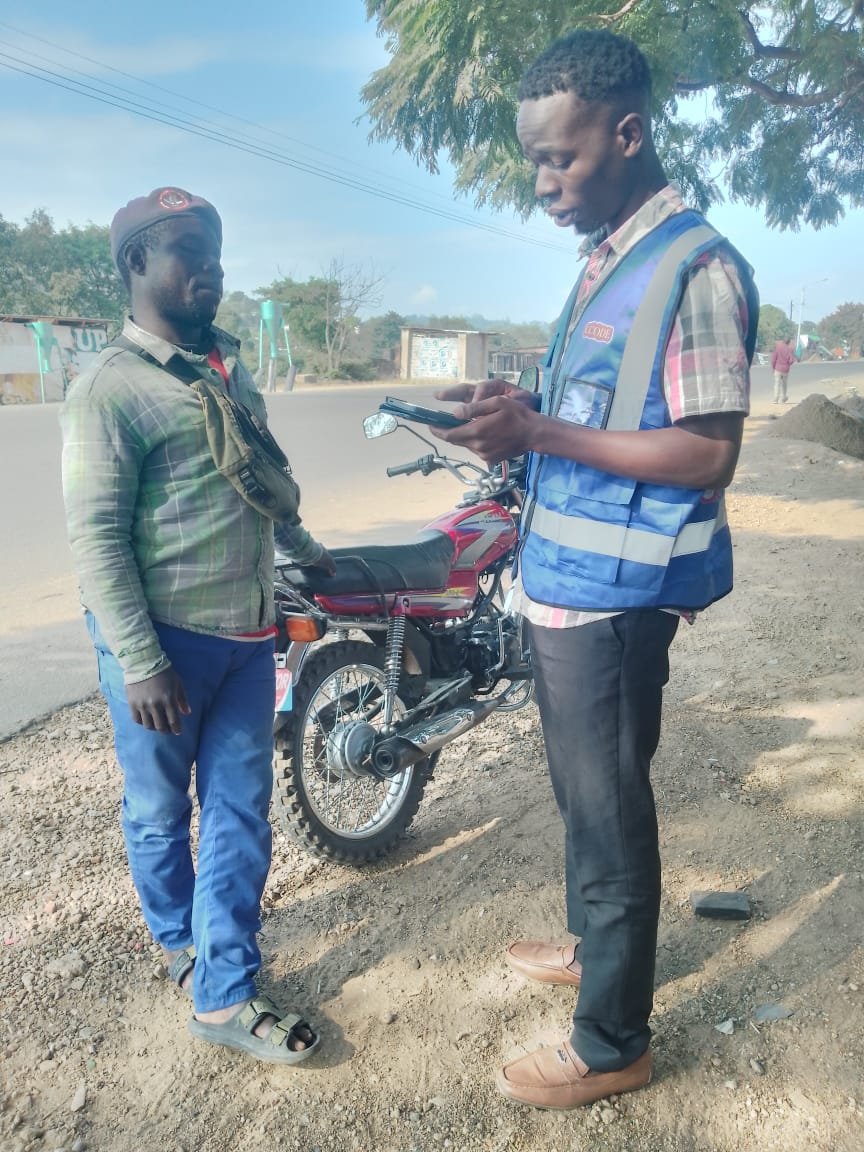
Everything changed when 120 young enumerators, including Lewis, spearheaded a massive baseline survey across Bangwe, Mbayani, and Ndirande. Working alongside CCODE and the Blantyre City Council, 2,699 youth respondents participated. Furthermore, collecting and analyzing primary evidence directly transformed how Lewis viewed his own neighborhood. Indeed, confronting hard facts shattered outdated perspectives instantly.
Specifically, findings from Bangwe revealed that approximately 70–80% of households reportedly dispose of waste in open spaces or rivers. Moreover, the findings indicate that most households do not separate their waste. Instead, different types of waste are dumped together, highlighting an urgent need for improved waste collection, separation, and community awareness.
Uncovering the Stark Realities of Urban Life
Mbayani is another settlement where understanding residents’ living conditions is critical for planning interventions. Like many urban settlements, Mbayani faces severe challenges related to housing, sanitation, infrastructure, and waste management. Therefore, identifying these issues requires reliable information gathered directly from the daily experiences of residents.
As a result of the survey, striking realities across Blantyre came to light. Environmental hazards disrupted 40.3% of local youth. Meanwhile, 53.8% lacked reliable workspace. Lewis connected these survey findings directly with his business background. Consequently, he saw bold opportunities for knowledge entrepreneurs. His journey sparks a controversial question: how much local talent stays buried simply because establishment institutions gatekeep data?
Breakthroughs in Bangwe and Mbayani
Lewis’s story is not an isolated spark; instead, it reflects a broader youth movement across Blantyre. As a cherry on top, other youth leaders are proving equally transformative.
In Bangwe, waste disposal poses critical environmental risks. Before her training, Thembie Chingwalu lacked confidence and basic research skills. She thought data collection meant asking random questions. Today, however, she navigates digital survey tools like KoboCollect with precision. She approaches households respectfully, gathering vital evidence to tackle open dumping.
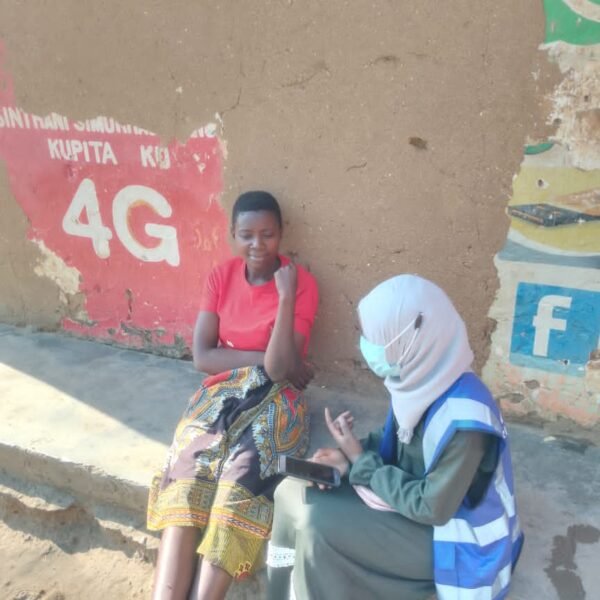
Meanwhile, in Mbayani, Patuma Ussi turned raw field survey results into practical community solutions. Before hands-on training, data analysis felt distant and complex. Now, she uses survey data to highlight critical deficits in housing, drainage, and road infrastructure.
From Raw Field Results to Community Action
Thembie explained that before the training, she had limited knowledge of proper survey methods. “I did not know how to use tools such as KoboCollect or observation checklists,” she shared. “Furthermore, I was shy about approaching households.” Through practical training, she gained a firm understanding of data tools, consent, and respectful sampling.
Similarly, Patuma described how field data analysis built her capacity. “Before the training, I had limited technical knowledge,” she explained. “However, the hands-on experience helped me gain essential skills in evidence collection. Indeed, these findings will guide real improvements in housing, sanitation, roads, and waste management.”
patuma conducting interviews
Owning the Future of Urban Development
Top-down planning consistently fails when it ignores ground reality. Therefore, real progress starts when residents document their own challenges. By leading field surveys and analyzing household data, youth provide unquestionable evidence to local authorities.
The transformations of Lewis, Thembie, and Patuma prove a crucial point. Equipping young people with data collection skills unlocks immense community potential. As a result, local knowledge, not distant bureaucracy, drives sustainable urban development.
Ultimately, addressing local challenges requires ongoing community participation and brave youth advocacy. Young people continue to raise awareness, document problems, and demand practical action. With continued support and effective data, youth will build cleaner, safer, and more resilient settlements across Blantyre.

