
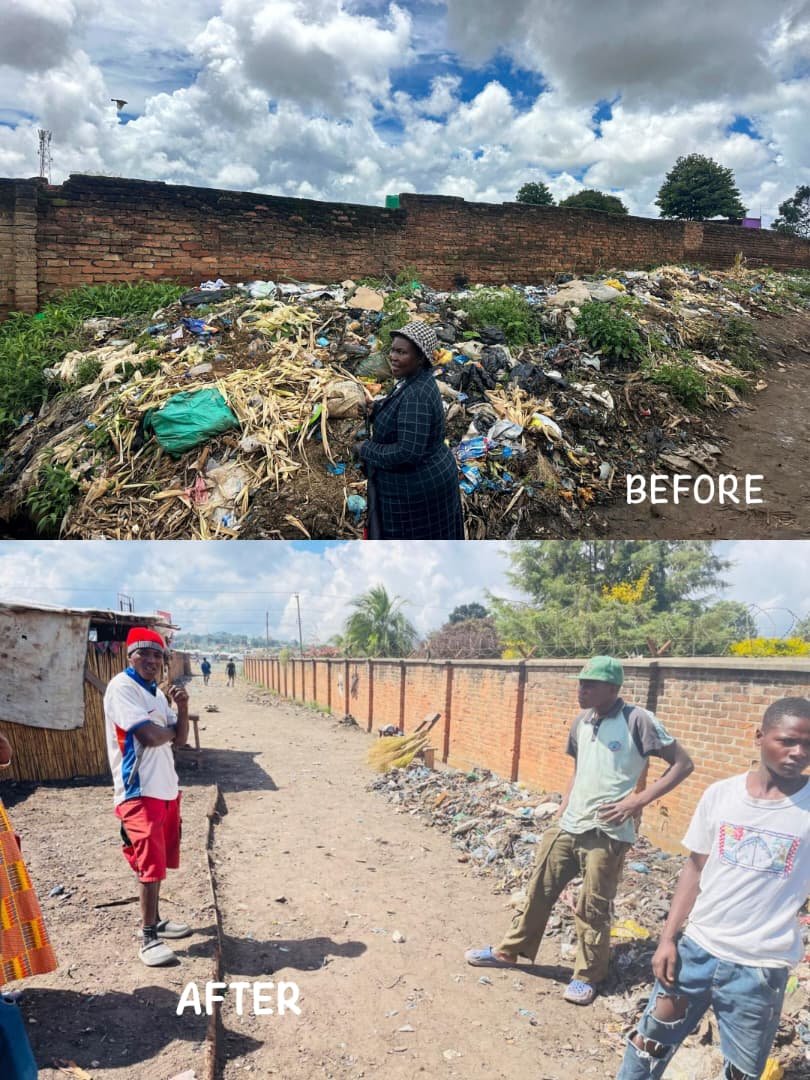
FROM OBSERVERS TO CHANGEMAKERS: THE EMERGING ROLE OF THE YOUTH IN COMMUNITY-LED DEVELOPMENT
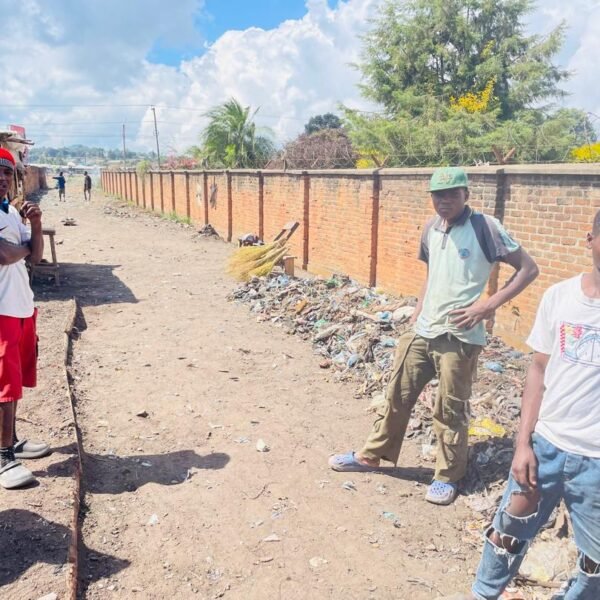
Youth showing the cleared path
In a world where communities are increasingly being recognised as the centre of development, an important question remains: who within these communities is driving change?
Traditionally, development initiatives have relied heavily on community leaders, elders, and established structures to identify challenges and implement solutions. Meanwhile, young people are often viewed primarily as a source of labour rather than as drivers of development. Their energy is welcomed, but their voices are rarely at the forefront of decision-making processes.
Under the “Locally Managed Finance for Urban Ecosystem Restoration: Catalysing Community-Led Action by Slum Dwellers in Southern Africa” project, implemented by the Centre for Community Organisation and Development (CCODE) in Mzuzu and Lilongwe, a series of What Works Forums were conducted in Lilongwe in Mtandire and Kawale, likewise in Mzuzu in Salisburylines and Ching’ambo. The forums were designed to reflect on what has worked and what has not worked in past environmental restoration efforts within the informal settlements. These forums created a platform for community members and local stakeholders to critically assess previous initiatives and collectively identify more effective approaches for future ecosystem restoration interventions. Using a participatory approach that includes women, youth, people with disabilities and refugees, the forums ensured that community experiences and local knowledge guide project design and decision-making.
As we walked through the settlements with community members during the forums, one thing stood out: the commitment of local leaders to improving their communities. Residents openly discussed issues affecting their settlements and proposed practical solutions to address them.
Yet an important observation emerged: where were the youth?
They were present, as they often are. Sitting quietly in corners of meeting spaces, listening attentively while elders led the discussions. Out of respect for cultural norms, many young people chose not to interrupt or challenge older community members. They listened carefully, absorbing every conversation.
In Salisburylines, community members guided us to a large dumping site situated along a pathway leading to Zigwagwa Market in Mzuzu.
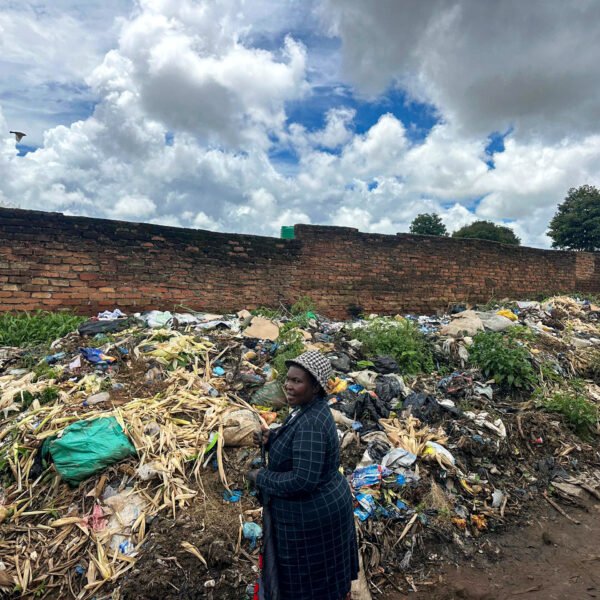
community member showing the dumping site around church of wings
“The waste has accumulated over many years, but this is the main route to the market,” explained one woman from the community. “Pedestrians, cyclists, and motorcyclists use this path every day. We have simply created a route on top of the waste.”
She continued, “We want to clear this place and establish small businesses here so that people stop dumping waste in the area.”
Her words reflected something significant: communities already possess ideas for sustainable development. What is often lacking is the financial capacity, technical support, and empowerment needed to turn these ideas into reality.
Another community leader added, “Once the area is cleared, we will establish by-laws to prevent people from dumping waste here again. As block leaders, we need to agree on measures that will protect the space.”
Throughout these discussions, the youth remained observers.
Later on, the Centre for Community Organisation and Development (CCODE), together with its project partner from the University of Cape Town through the African Climate and Development Initiative (ACDI), conducted a field visit to appreciate ecosystem restoration efforts in Ching ‘ambo and Salisburylines.
When the team returned to the same dumping site, they expected to find the situation unchanged. Instead, they were greeted by an inspiring sight.
Three young men were hard at work at the site.
“Enough was enough,” one of them explained. “We, the youth of this community, decided to clear this place ourselves. Six of us from Chibanja and Salisburylines volunteered to do the work. We were tired of hearing promises. Even the Mayor came here and saw the problem, but nothing changed.”
Their frustration had transformed into action.
Rather than waiting for external assistance, these young people demonstrated a powerful form of community leadership. Without funding, equipment, or formal authority, they mobilised themselves to address a challenge that had affected their community for years.
Their actions challenge a common assumption in community development: that young people are passive beneficiaries of development interventions. In reality, youth often possess the energy, creativity, and urgency needed to drive local transformation. What they frequently lack are opportunities, recognition, and inclusion within community decision-making structures.
This experience demonstrates that meaningful community-led development requires more than community participation; it requires intergenerational collaboration. Elders bring experience, institutional memory, and legitimacy, while youth contribute innovation, energy, and the willingness to act.
The young men who cleared the dumping site in Salisburylines did more than remove waste. They demonstrated that youth are not merely the labour force of development; they are capable of leading it.

