
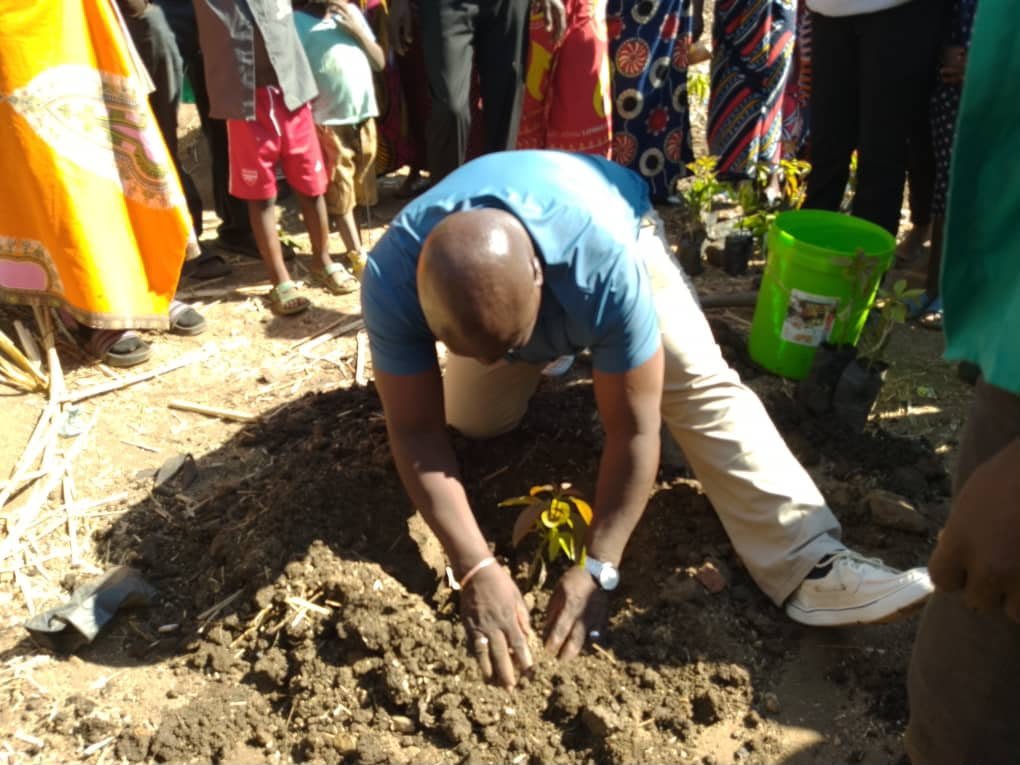
Healthy Ecosystems, Resilient Communities: Restoring Nature Through Local Action in informal settlements in Malawi.
What if the biggest threat to our cities isn’t climate change itself, but the slow destruction of the ecosystems that protect us from it?
For many people living in Malawi’s informal settlements, flooding, blocked drainage systems, polluted rivers and unmanaged waste have become part of everyday life. These are often dismissed as isolated environmental problems. But they are not. In reality, they are symptoms of a much larger crisis, ecosystem degradation. When ecosystems are degraded, communities lose more than clean surroundings; they lose protection from floods, access to safe water, healthier living conditions and opportunities for sustainable livelihoods. Communities lose their core essence, their being.
Recognizing this urgent challenge, the Centre for Community Organization and Development (CCODE), through the Locally-Managed Finance for Urban Ecosystem Restoration: Catalyzing Community-Led Action by slum dwellers in Southern Africa Project, conducted a baseline study in the informal settlements of Mtandire and Kawale in Lilongwe, and Salisbury Lines and Ching’ambo in Mzuzu. The research sought to understand the state of urban ecosystems, identify the drivers of degradation and explore community-led opportunities for restoration. The research would, through its findings, eventually shape the direction of the entire project which hinges on community identified solutions to address degradation. In this regard, the study gave a nuanced alternative to the “Whats Works” settlement forum that CCODE was already conducting the project settlements.
A Growing Environmental Crisis in informal settlements
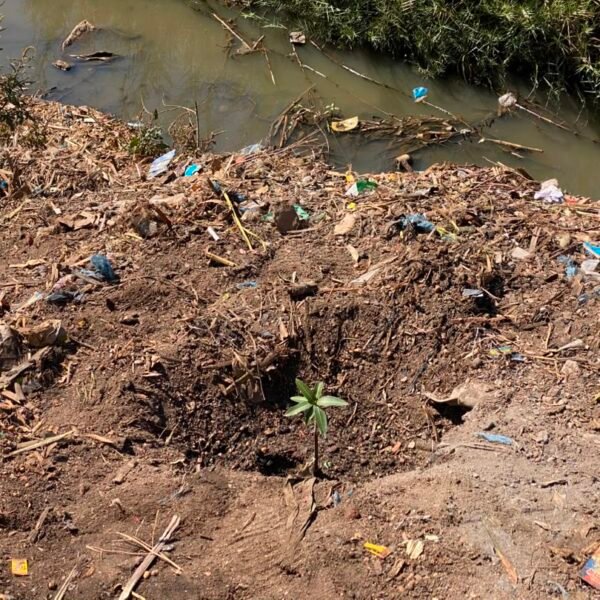 The study found that poor waste management, blocked drainage systems, deforestation, and unsustainable land use are accelerating environmental decline while exposing thousands of residents to flooding, contaminated water, soil erosion, and other climate-related risks. The findings paint a stark picture of the situation. Environmental degradation is widespread and continues to worsen across these settlements. Poor waste management and inadequate drainage systems emerged as the leading environmental challenges, contributing to flooding, water contamination, soil erosion and the degradation of rivers and wetlands. These environmental pressures threaten public health, damage livelihoods and leave communities increasingly vulnerable to the impacts of climate change. The study also found that ecosystem degradation is driven not only by environmental factors but also by poverty, inadequate urban planning, limited waste management services and weak environmental governance.
Communities Are Already Leading the Way
While the findings highlight significant environmental challenges, they also tell a story of hope. Communities are not waiting for solutions to arrive from elsewhere. Across the four targeted settlements, residents are already leading restoration efforts through tree planting, community waste management initiatives, drainage rehabilitation and other nature-based solutions. Women and young people, in particular, are transforming waste into compost, recyclable materials and other valuable products, demonstrating that ecosystem restoration can also create livelihoods and strengthen local economies.
Investing in Locally-Led Restoration
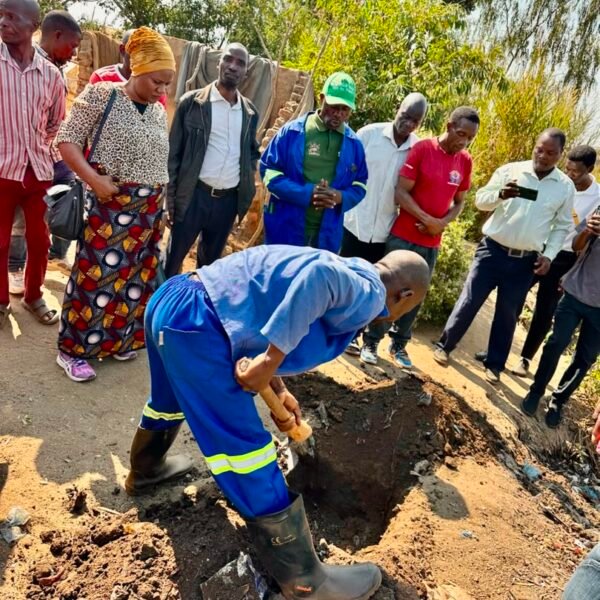 Access to finance is a critical obstacle to scaling climate initiatives in developing countries, hindering the empowerment of local communities especially informal settlements. This is even worse in informal settlements due to illegality and land ownership issues. While Locally Led Adaptation (LLA) seek to shift climate resilience decision-making and financing directly to local communities only an estimated 10% of international climate finance reaches the local level. This is exactly where the “Locally-Managed Finance for Urban Ecosystem Restoration: Catalyzing Community-Led Action by Slum Dwellers in Southern Africa,” comes in.
The project builds on these community efforts by promoting locally managed finance, enabling communities to identify their own restoration priorities and lead the design and implementation of practical solutions through the Urban Eco-steward Grant Facility UEGF; A financing vehicle benefiting twenty organized community groups with grants to finance degradation restoration efforts in informal settlements in the cities of Mzuzu and Lilongwe. The grants also supports evidence-based advocacy, ensuring that the voices and experiences of informal settlement residents inform urban planning, environmental governance and climate financing decisions. This approach recognizes that communities are not merely beneficiaries of development but essential partners in restoring ecosystems and building climate-resilient cities.
Why Healthy Ecosystems Matter?
Healthy ecosystems in informal settlements protect vulnerable populations from extreme weather, reduce disease, and improve daily well-being. They clean our air and water, supply food and medicines, build fertile soil, and protect communities from extreme weather and floods. Ecosystem degradation is more than an environmental issue, it is a development challenge that affects health, dignity, livelihoods and the future of Malawi’s growing cities. Addressing it requires more than periodic clean-up campaigns or tree planting exercises. It demands sustained investment in community-led restoration, stronger partnerships, better urban planning and a shared commitment to protecting the natural systems that sustain life.
Healthy ecosystems are not a luxury. They are the foundation of resilient communities. By investing in community-led ecosystem restoration today, Malawi has an opportunity to build cities that are cleaner, safer and better prepared for the climate challenges of tomorrow.
Author


Bernard Kondowe is a Learning, Compliance and Quality Assurance Officer for CCODE, where he also serves in a Learning, Monitoring and Evaluation (LME) role. He contributes to organizational learning, ensures compliance with standards, and supports quality assurance across programs. In addition, he plays a key role as a communication and digital strategist, managing CCODE’s website and all social media platforms, where he authors and co-authors news articles, blogs, and posts that communicate the organisation’s initiatives, impact, and community development efforts to a wider audience.
