
Empowering Youth Through Digital Innovation: How Digital Research Tool Training is Transforming Community Development
In many informal settlements across Africa, young people are often viewed as beneficiaries of development programmes rather than active contributors to change. The SDI Innovation Impact Initiative is challenging this narrative by equipping youth with digital skills, research capacities, and leadership opportunities that position them as knowledge entrepreneurs and drivers of community transformation.
At the heart of this effort is the recognition that reliable data and community knowledge are essential for addressing urban poverty and improving living conditions in informal settlements. To achieve this, the initiative has invested in building the capacities of young people through training and practical engagement in digital data collection and analysis.
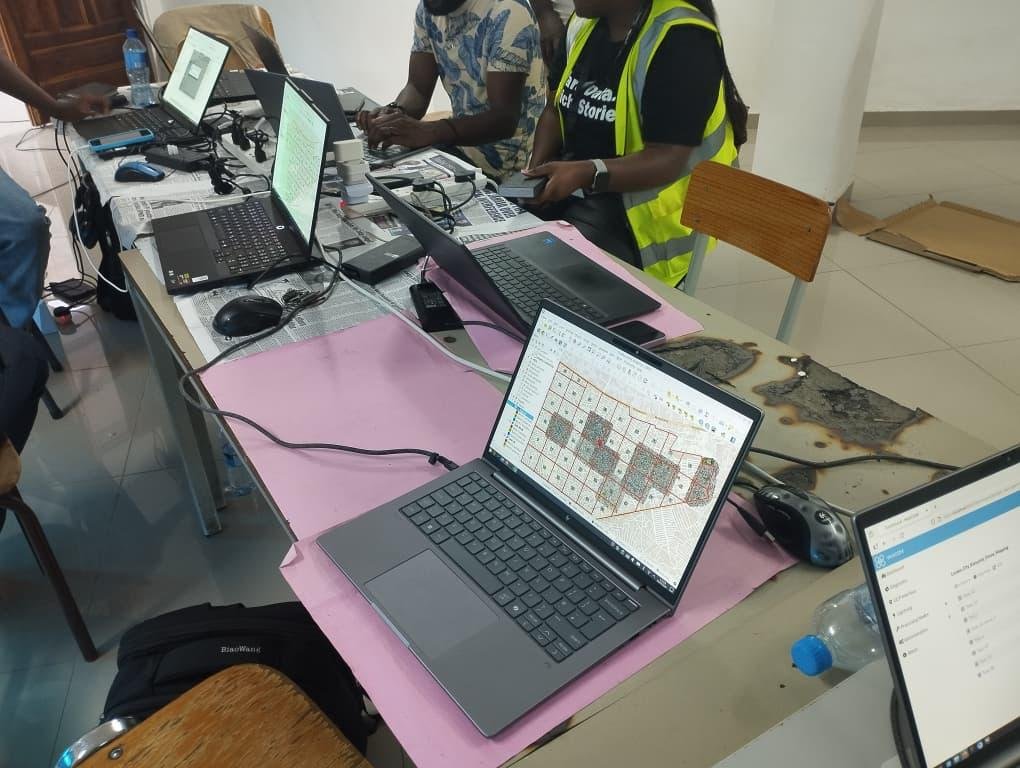
As technology continues to shape development practice, the ability to collect, manage, and analyze data has become an increasingly valuable skill. Through a series of orientations and hands-on training sessions, young participants were introduced to research tools and learned how digital tools can strengthen evidence-based decision-making.
“Before this training, I thought data collection was simply asking questions and writing responses on paper,” reflected one youth participant. “Now I understand how digital tools can help us collect information faster, reduce mistakes, and make data available immediately for analysis. I feel like I have gained a skill that can help me in my future career.”
The training covered key areas such as designing surveys, administering questionnaires using mobile devices, capturing geographic information, uploading data, and monitoring data quality in real time. For many participants, this was their first experience using digital technologies for research and community development work.
The training sessions were intentionally practical, allowing participants to learn by doing. Equipped with smartphones and tablets, youth navigated digital questionnaires, practiced troubleshooting common challenges, and gained confidence in using technology in field settings.
Learning did not end in the classroom. Following the orientation sessions, participants undertook pilot exercises in their communities to test the functionality and effectiveness of the digital tools in real-life situations.
“The pilot exercise helped me realize the importance of preparation and communication,” explained another participant. “Some community members were curious about why we were using phones to collect information. We had to explain the purpose of the exercise and build trust. It taught us that technology is important, but people remain at the center of the process.”
The pilot activities provided valuable opportunities to identify technical challenges, refine survey instruments, and improve data collection procedures before larger-scale implementation. More importantly, this allowed young people to apply their newly acquired skills while interacting directly with community members.
As young people gain experience in digital data collection and analysis, they become more competitive for employment opportunities in research, development, monitoring and evaluation, urban planning, and technology-related sectors.
Project facilitators observed significant growth in participants’ confidence and technical competence during the piloting phase.
“The transformation has been remarkable,” noted Bertha Phiri, involved in the initiative. “Many of the young people started with limited experience in digital data collection. Through training and practice, they have become capable of managing surveys, ensuring data quality, and supporting evidence generation within their communities.”
Through training, mentorship, peer learning, and practical field experience, participants are developing competencies that extend far beyond data collection. They are learning how to analyze information, identify development challenges, communicate evidence, engage stakeholders, and propose solutions to complex urban issues.
“This programme has changed how I see myself,” shared one participant. “I used to think development projects were led by experts from outside the community. Now I understand that young people can also generate knowledge, influence decisions, and contribute solutions.”
This shift in perspective is creating a new generation of community leaders equipped to influence local development processes and participate meaningfully in civic life.
The digital research tool training and piloting process represents far more than a technical exercise. It is an investment in youth leadership, digital inclusion, and community-led development.

