
The Power of Youth Participation: Co-Designing Know Your City Tools for Urban Transformation
Recognizing this opportunity, the Slum Dwellers International (SDI) Innovation Impact Initiative: Young Africa Works for the Transformation of Slums and Informal Settlements – A Sulley Gariba Legacy Initiative was established to place young people at the center of knowledge generation, innovation, and urban transformation.
One of the most significant milestones achieved under the initiative in Malawi has been the development of Know Your City (KYC) tools: Bangwe Banana and Ndirande Makata settlement profiles and questionnaire for enumeration. These tools form the foundation of the programme’s knowledge-generation approach and are designed to systematically collect, analyze, store, and communicate information about informal settlements.
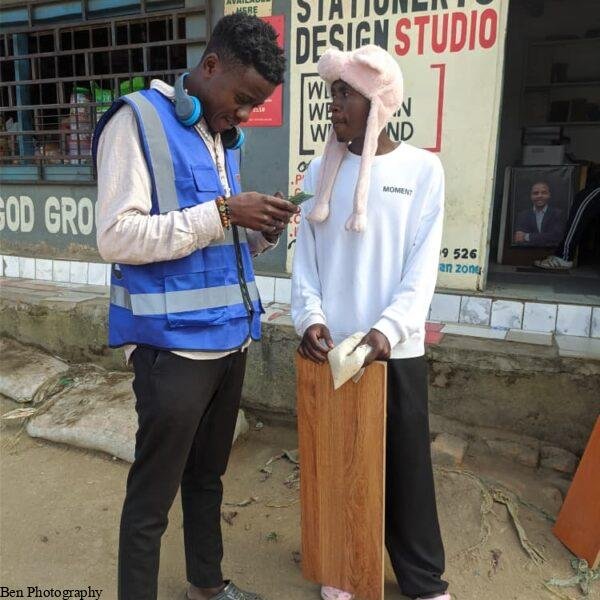
Unlike conventional research tools developed externally by experts, the KYC tools were created through participatory co-design processes involving young people and community members themselves. This approach ensured that the tools reflect local realities, priorities, and aspirations while remaining relevant to the everyday experiences of residents in informal settlements.
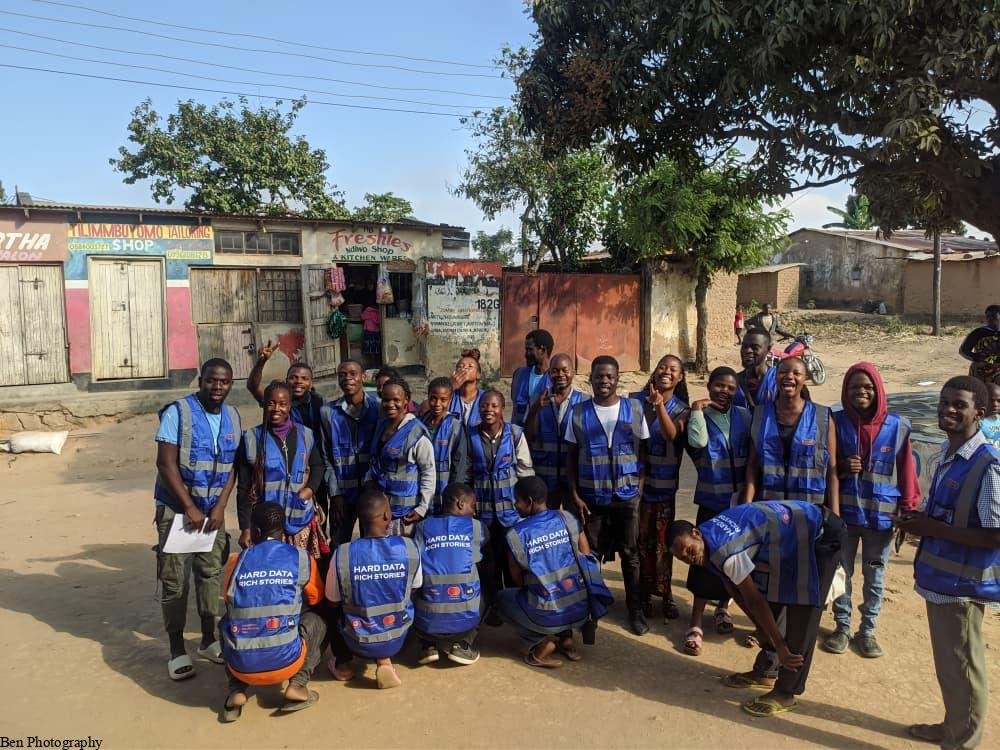
“Being part of this training opened my eyes to how data can transform our settlements. I used to think profiling was just about counting houses, but now I understand it’s about telling our community’s story, our challenges, strengths, and hopes. I feel proud that the information we collected will help shape better plans for our area.” Shawa reflects. Petros Shawa aged 30, a green enterprise entrepreneur, is one of the 100 youths being trained for the data collection under the project.
Jean Makalani, a youth member of the Young Mothers Foundation, shares how the training has been a turning point for her. She explained that learning data collection has equipped her with a completely new skill, one that has reshaped how she approaches everyday challenges. “This experience has changed the way I see things,” Jean reflected. “I now understand the power of information in driving real change within our communities.”
The development process brought together youth leaders, community representatives, and development practitioners to identify key information gaps and determine the most effective ways of capturing data that can drive action. Through these engagements, young people actively contributed to designing tools that can document settlement characteristics, service delivery gaps, community assets, environmental challenges, livelihood opportunities, and emerging innovations.
“The significance of these KYC tools extends far beyond data collection. They represent an important shift in how knowledge is produced and valued. By enabling communities to generate their own evidence, the tools challenge traditional development approaches that often rely solely on externally generated information. Instead, they promote community ownership of knowledge and strengthen local capacities to influence planning and development processes.” Mbwana Nkhata from the Center Of Community and Development (CCODE) clarifies.
The KYC tools also create opportunities for continuous learning and evidence generation. They provide a structured mechanism for capturing both quantitative information and qualitative narratives, ensuring that community experiences are documented in ways that reflect both statistical realities and human stories. This combination of data and storytelling strengthens the credibility and influence of community-generated evidence.

