
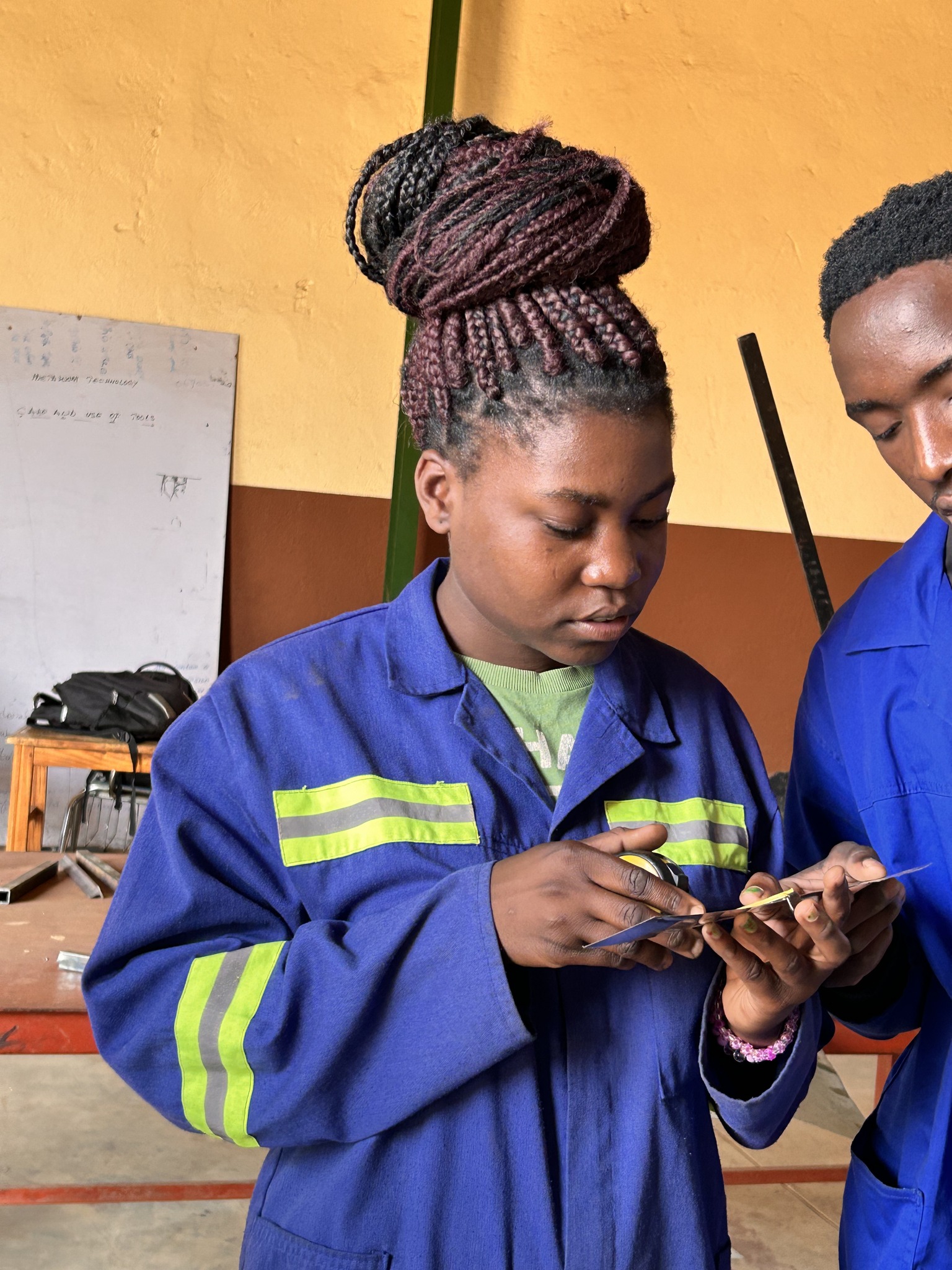
GIVE TO GAIN: LISTENING TO WOMEN IN MALAWI’S INFORMAL SETTLEMENTS
International women’s day 2026
As the world marked International Women’s Day on March 8, 2026, the global theme “Give to Gain” reminds us of a simple but powerful truth that when societies invest in women and girls, everyone benefits. Communities become more resilient, families thrive and cities become more inclusive. However, for this message to have real meaning, it is essential to listen to voices that are often missing from the development conversations, particularly women living in informal settlements.
Across Malawi’s cities, women play a central role in sustaining households and local economies. They manage homes, run small businesses, organize savings groups and hold communities together during times of hardship. Despite this critical role, their priorities are rarely placed at the center of urban planning and policy discussions. Yet, if we listen carefully, it becomes clear that what these women are asking for is not complicated. Their needs are practical, urgent and rooted in dignity.
A safe home and secure land tenure
For many women in informal settlements, the dream begins with something simple. A safe place to live. In areas such as Mtandire, Ndirande, and Chibanja, families often live in overcrowded homes made of temporary materials. Roofs leak during the rainy season. Walls weaken with every storm. Flooding and poor drainage remain constant threats. For women raising children in these environments, housing insecurity is more than an inconvenience, it is a daily worry.
Equally important is secure land tenure. Without the assurance that they cannot be arbitrarily evicted, families hesitate to improve their homes. But when communities gain security, something remarkable happens. Houses improve, sanitation facilities appear and neighborhoods gradually transform. A secure home is not just shelter. It is the foundation of stability, dignity and hope. I see the need to do small businesses and empower other women at the federation to venture into small business
Livelihoods and access to capital
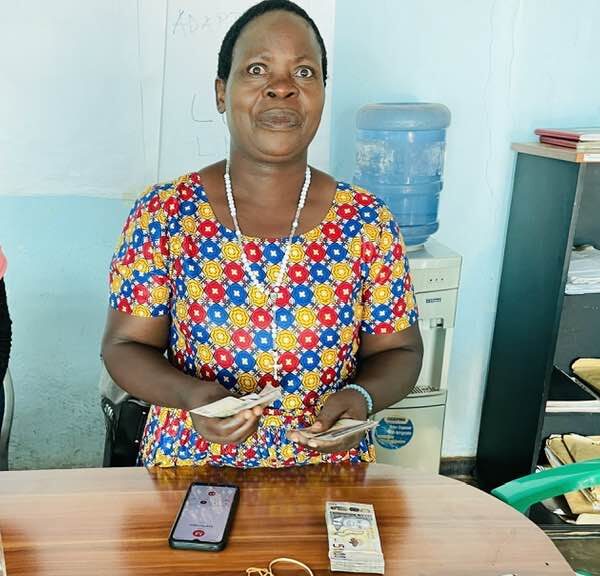
Women in informal settlements are natural entrepreneurs. Informal settlements women are running small home-based enterprises, selling tomatoes and vegetables, tailoring clothes, braiding hair, cooking fritters or operating tiny kiosks. These businesses often sustain entire households.
Agness Mchecheta (50), a national leader under the federation highlights how she has supported her 4 children after the death of her husband. “I moved from Dedza to Lilongwe because of marriage, I did not know anybody there nor did I have a relative” she elaborates more on how she did not suffer and moved back to her home village because she sustained herself and her children with her small business of buying and reselling maize.
“One of the children is a carpenter while the other is an electrician and the rest are schooling.” Agness says proudly. Agness’ story is just one of the stories from one of the many inspiring women.
Yet most remain fragile. Women struggle to access affordable credit, formal markets and business training. Without capital, growth becomes nearly impossible.
What women want is not charity, they want opportunity. Small loans, savings schemes, and access to markets allow women to expand their businesses. With reliable income, they can pay school fees, afford healthcare, and gradually improve their homes. When women succeed economically, entire communities move forward.
A seat at the decision-making table
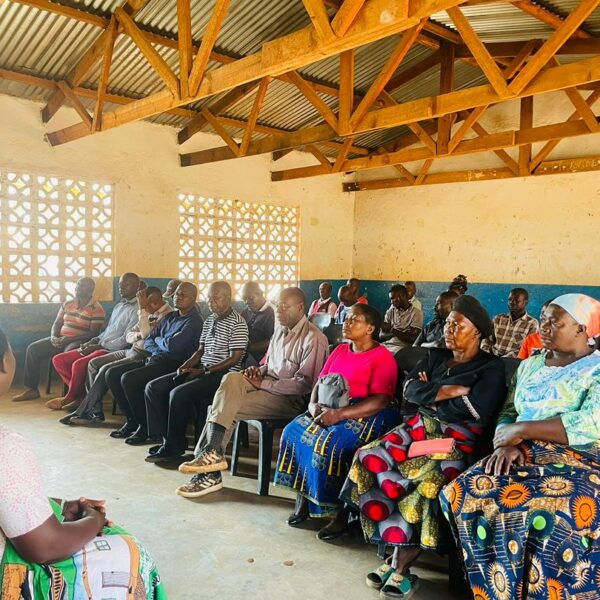
Women understand their communities better than the majority of the settlement population. They know which drainage channels flood first during heavy rains. They know which water points break down. They know where children play, where markets grow and where safety risks exist.
Yet too often, urban planning meetings happen without them. Women want more than consultation. They want representation, seats at the table where decisions about land, housing, infrastructure and services are made.
Across Malawi, organized women’s groups and savings collectives have demonstrated that community participation produces better solutions. When women help design projects, the results are more practical, more inclusive and more sustainable. Women want participation that is not symbolic. They want participation that is transformative.
Water and sanitation with dignity
In many informal settlements, the day begins before sunrise. Women wake early to queue for water. Sometimes the nearest potable water source is far away. Sometimes the water is not coming out. In other cases, water is simply too expensive for families.
Sanitation presents another challenge. Many households rely on shared pit latrines, often used by several families. At night, these facilities can be unsafe, especially for women and girls. Reliable access to safe water and dignified sanitation is one of the most urgent priorities women raise across Malawi’s cities. Water and sanitation services are not luxuries. They are basic human rights.
What is often missed: care, safety and time
Beyond infrastructure and livelihoods, women in informal settlements also want recognition and support for the deeper challenges that shape their daily lives.
Many women carry a heavy burden of unpaid care work, looking after children, elderly relatives, and the sick while also managing households and running small businesses to support their families. What women want is an environment that reduces this burden rather than increasing it. Reliable access to water, energy and nearby health services would significantly reduce the time and effort spent on basic survival tasks such as fetching water, collecting firewood or travelling long distances to seek healthcare.
Women also want safer communities, where improved infrastructure, lighting and secure sanitation facilities help reduce the risk of gender-based violence and ensure that women and girls move and live with dignity and security. “We empower the women at the federation to always voice out their concerns as they are all also changemakers in the communities. Their voice matters.” Ethel Gama (45) who is also one of the national leaders at the federation explains vividly.
Another important priority for women is addressing time poverty. When women spend many hours each day securing water, cooking with inefficient fuels, caring for family members and running small businesses, very little time remains for education, leadership, rest or personal development. Women want infrastructure and services that free up their time and allow them to participate more fully in economic and community life.
Access to clean and efficient cooking solutions is also a key concern. Women want alternatives to traditional cooking methods that rely on firewood or charcoal, which produce harmful smoke inside homes. Cleaner cooking technologies would not only protect the health of women and children from respiratory illnesses but also reduce the time spent collecting fuel, improve household wellbeing, and contribute to environmental sustainability.
Women and the fight against climate change
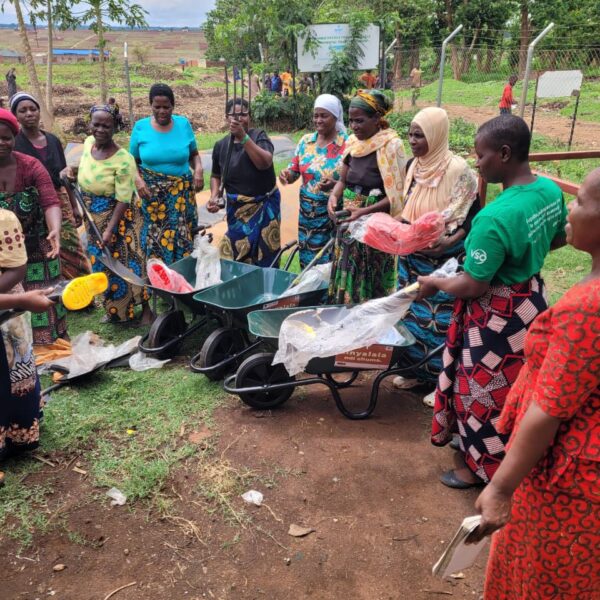
Women in Malawi’s informal settlements want to play a central role in addressing climate change because they are on the frontlines of its impacts. Rising temperatures, unpredictable rainfall, flooding and droughts directly affect their homes and livelihoods. One of their urgent priorities is improved waste management. Poorly managed waste clogs drainage channels, worsens flooding during the rainy season, and creates health hazards. Women want support to manage these challenges through better waste collection, recycling and disposal systems so they can protect their families, reduce disease risks and help their communities adapt to changing climate conditions.
Women also want to plant and care for trees, which provide shade, reduce heat, stabilize soil, prevent erosion and improve air quality. While many women already take the initiative to plant trees in public spaces and along drainage channels, they need support in the form of access to seedlings, tools and training to ensure the trees survive and thrive. women want space for decision-making and leadership in climate action, including participation in environmental education, community clean-up campaigns and shaping policies on urban planning and waste management.
Listening is the first step
As we reflect on what women in Malawi’s informal settlements want, one message stands out clearly. They want to be heard and taken seriously. International Women’s Day should not only celebrate women’s resilience, it should also challenge us to respond to their priorities. Women in informal settlements are not passive beneficiaries of development. They are builders of homes, drivers of local economies, organizers of savings groups and leaders within their communities.
What they are asking for is straightforward, security, opportunity, dignity and a voice in the decisions that shape their lives. The theme “Give to Gain” reminds us that investing in women is not charity, it is a pathway to building stronger, more inclusive and more resilient cities. If Malawi’s urban future is to be truly inclusive, the voices of women in informal settlements must move from the margins to the center of development.
Author

