
Restoring More Than Nature: When Survival Becomes a Crime in Urban Malawi
The River: Employer of Last Resort
Hasan is 32. By Malawi’s Constitution and the African Youth Charter, he is still a young man. He lives in Kawale, in the very heart of Lilongwe City. He is married with two children, two dreams he must feed every single day.
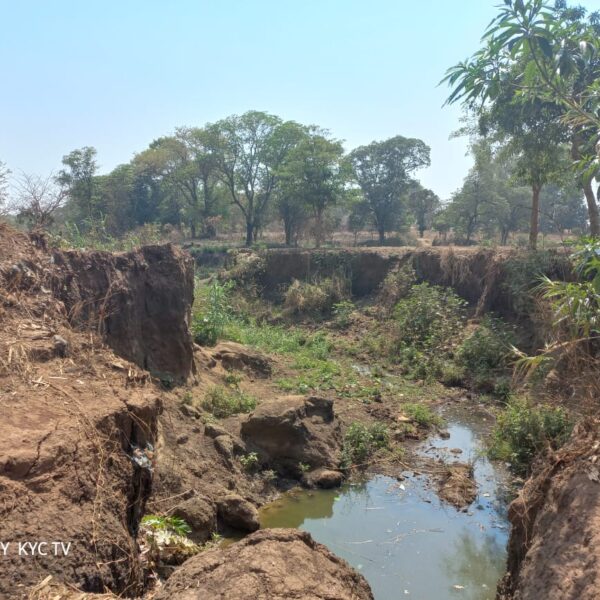
But Hasan has no job. Not one that pays every month. Not one that can be called a future. So every morning, he walks to the river. He mines sand. He digs into the earth with his bare hands and strong will. Sand becomes coins. Coins become flour. Flour becomes survival. On the days the river does not give enough, Hasan makes bricks in the same fragile ecosystem. When soil refuses to earn him a living, he cultivates vegetables along the banks of the Mchesi River -land that nourishes because nothing else does. Hasan is not destroying the environment; Hasan is surviving inside it.
Survivalism: The Unpunished Offence Until It Harms the Landscape
We are quick to point a finger at youth who mine sand, shape bricks, or grow food along riverbanks. We speak as though they choose degradation over dignity. But in Mtandire and Ching’ambo -like Kawale – nature is the only labour market that exists. Young people without skills, without capital, without a chance simply let nature feed them. Their hands are their CVs. Their strength is their export. Their river is their “big boss”.You cannot stop sand mining with environmental education. You stop sand mining by offering a livelihood that can buy food and medicine.
Waste is Not Born-it is Abandoned by Systems
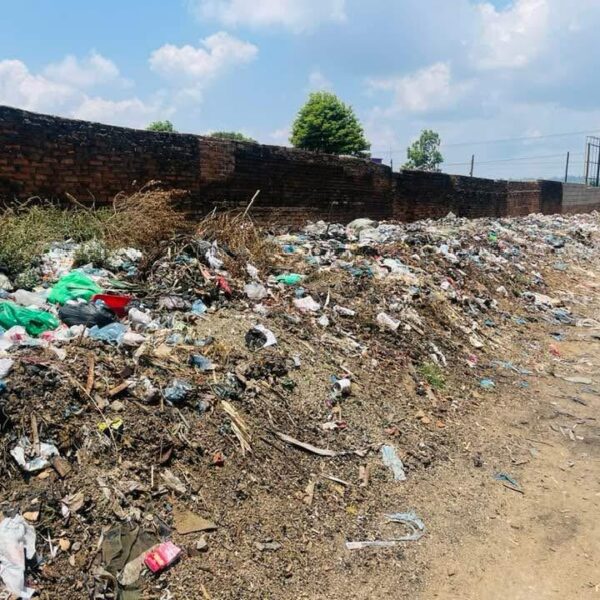
In Salisburylines in Mzuzu, degradation takes a different form. There, the environment is smothered not by the struggle to live, but by the failure of systems that should keep it clean. No designated waste sites. No affordable collection services. People cannot live with garbage inside their homes, so they turn the outside into unplanned landfills. Waste becomes the unwanted neighbour no one chooses but everyone must tolerate. Pollution is not the community’s doing -it is the State’s absence made visible.
When Nature is a Safety Net, Not a Playground
Across Malawi’s informal settlements -Mtandire, Kawale, Chinsapo, Salisburylines and Ching’ambo -nature is the protector of last resort. It provides shelter when housing policies don’t. It offers land when markets deny it. It absorbs waste when local government systems fail. It feeds families when jobs disappear. It holds burdens it was never meant to carry. Ask not why poor communities “destroy nature.” Ask why nature is the only dependable institution they have.
Restoration Must Restore What Was Never Built
Environmental restoration in this context cannot be a tree-planting campaign sugared with good intentions. It must restore the relationship between people and the ecosystems they depend on. To protect a wetland without protecting the people who live on its edge is to promise future conflict. To restrict sand mining without alternative livelihoods is to criminalise hunger. To demand clean rivers and responsible waste disposal without municipal services is to blame the powerless for the failures of the powerful. True restoration must be ecosystem and economic and ethical.
Locally-Led Restoration is Not a Luxury. It is Justice
This is why the REDAA-funded programme led by CCODE and the Malawi Federation is placing finance and decision-making directly in community hands. When people lead their own research, when they map their own challenges, when they design their own solutions – healing becomes possible. Restoration becomes a transition, not a punishment. Opportunity becomes the incentive to protect, not exploit.
Communities Do Not Harm Nature -Exclusion Does
Hasan does not dream of lifting sand forever. He dreams of a job that uses his mind as well as his body.
He dreams of a future where his children do not have to inherit resilience as a birthright.
The moment people like Hasan have choices, ecosystems can breathe again.
Communities are not the enemy. They have been the unpaid custodians of urban neglect. If we want to restore rivers and wetlands and soils, we must first restore the conditions that allow people to live without draining life out of nature.
The First Seed of Restoration Is Dignity
Hope begins when survival no longer requires sacrifice. Healing begins when livelihoods protect the land instead of exhausting it. Restoration begins when nature can nurture again —
not because it has no choice, but because we finally gave people one.
Only then will restoration truly take root.
Author


Bernard Kondowe is a Learning, Compliance and Quality Assurance Officer for CCODE, where he also serves in a Learning, Monitoring and Evaluation (LME) role. He contributes to organizational learning, ensures compliance with standards, and supports quality assurance across programs. In addition, he plays a key role as a communication and digital strategist, managing CCODE’s website and all social media platforms, where he authors and co-authors news articles, blogs, and posts that communicate the organisation’s initiatives, impact, and community development efforts to a wider audience.