
From Challenge to Action: Strengthening Community-Led Urban Ecosystem Restoration in informal settlements in the City of Lilongwe
Introduction
Urbanisation across Southern Africa is accelerating, and with it comes growing pressure on already‑fragile urban and peri‑urban ecosystems. In response to these challenges, the Centre for Community Organisation and Development (CCODE) has launched an ambitious three‑year initiative under the Slum Dwellers International (SDI) and Reversing Environmental Degradation in Africa and Asia (REDAA) Programme Grant. Titled “Locally-Managed Finance for Urban Ecosystem Restoration: Catalyzing Community-Led Action by Slum Dwellers in Southern Africa,” the programme runs from February 2025 to January 2028 and aims to transform the way environmental restoration is approached in Malawi, Zambia, and Zimbabwe.
At its core, the initiative empowers informal settlement communities to take the lead in restoring degraded environments shifting from top‑down interventions to locally driven solutions. By placing financial tools, decision making power, and practical knowledge directly in the hands of slum dwellers, the programme seeks not only to rehabilitate damaged ecosystems, but also to strengthen community resilience and promote inclusive urban development.
Targeted settlements
In Malawi, the programme is being implemented in two cities: Lilongwe targeting Mtandire and Kawale settlements and Mzuzu focusing on Salisbury Lines and Ching’ambo settlements. By combining locally-managed finance with evidence-based advocacy, the initiative strengthens the capacity of informal settlement residents to identify priorities and lead restoration efforts within their own neighbourhoods. In doing so, it advances environmental recovery while reinforcing climate resilience and social equity, positioning communities not as beneficiaries of external interventions, but as active environmental stewards shaping the sustainability of their cities.
The What Works Forum in Mtandire
As part of the programme’s implementation in Lilongwe, CCODE convened the third instalment of the What Works Forum in Mtandire settlement on 16 February 2026. The meeting was attended by 25 participants, comprising 10 men and 15 women. These community sessions are designed to improve decision-making by identifying, sharing, and applying the best available evidence for effective project delivery.
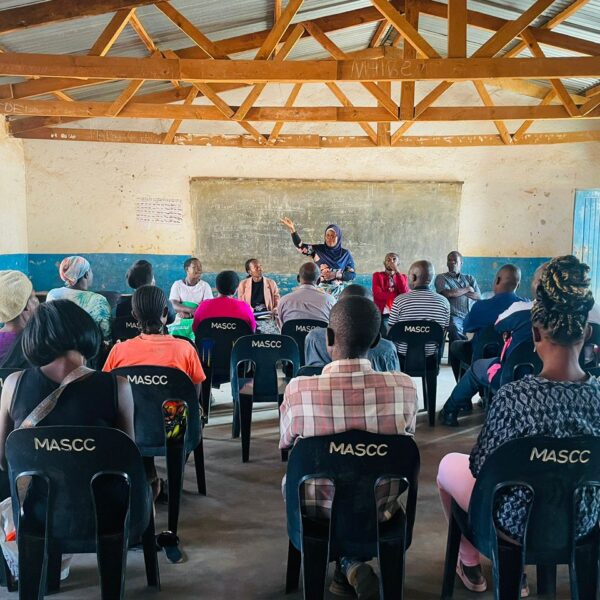
This particular session brought together newly formed Ward Development Committees (WDCs), other community governance structures, members of the savings federations, and youth representatives. The forum aimed to introduce the REDAA programme by clarifying its goals and expected outcomes, while also defining the role of Ward Development Committees and other governance structures in its implementation.
The forum provides a platform to synthesize diverse knowledge on effective ecosystem restoration practices and to identify practical, community-driven solutions to local environmental challenges. In addition, the forum prepared the community to access financing through the Urban Ecostewards Grant Facility, which will fund locally identified and managed restoration initiatives.
Key environmental challenges identified in Mtandire
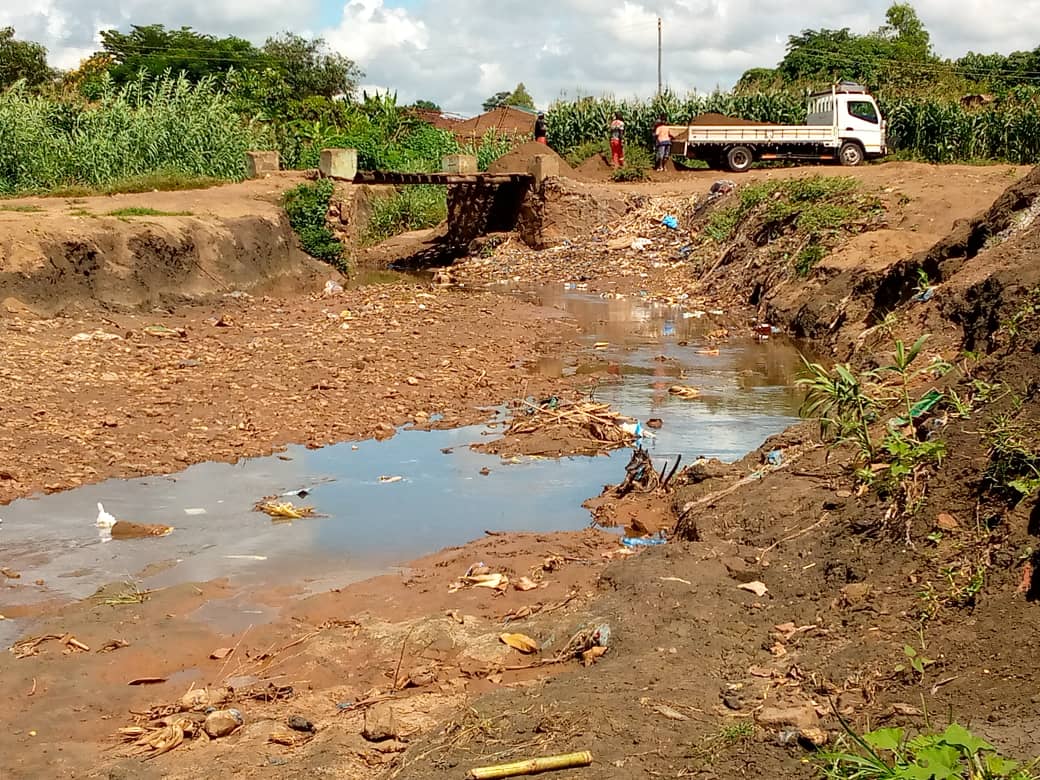
Participants identified several pressing environmental and infrastructure challenges affecting Mtandire, many of which are interconnected and mutually reinforcing. Poor drainage systems along the Lingadzi River result in water stagnation and frequent flooding, particularly during the rainy season. Improper waste disposal, especially the dumping of solid waste into rivers and drainage channels, further blocks waterways and exacerbates flooding, including along the Chimbalame River. Severe soil erosion and gully formation along the main road and adjacent riverbanks are steadily degrading land and threatening nearby homes and pathways. At the same time, deforestation and the expansion of bare land are accelerating surface runoff and reducing the natural capacity of the environment to absorb rainfall.
Public health risks are also intensifying. In many parts of the settlement, widespread reliance on pit latrines located close to shallow wells is contributing to groundwater contamination, increasing exposure to waterborne diseases such as cholera. Poor waste management practices, including open burning of refuse, are contributing to air pollution and respiratory health concerns. Additionally, unregulated brick making and sand mining are weakening soil structure and destabilising the landscape, compounding erosion and flood risks.
Lessons from the ground: what sustains community-led restoration in Mtandire
The forum created space for the community to critically reflect on past environmental restoration initiatives undertaken in the settlement. Participants noted that tree planting activities had previously been implemented, often supported and driven by external actors. While well intentioned, their long-term impact was limited. Weak community ownership, inadequate supervision structures, and poor follow-up and maintenance resulted in low tree survival rates. In many cases, trees were planted in spaces considered “public,” yet these areas had de facto custodians or adjacent households who were not meaningfully engaged in planning or aftercare. Without clear responsibility, protection mechanisms or watering plans, many seedlings did not survive beyond the initial planting phase.
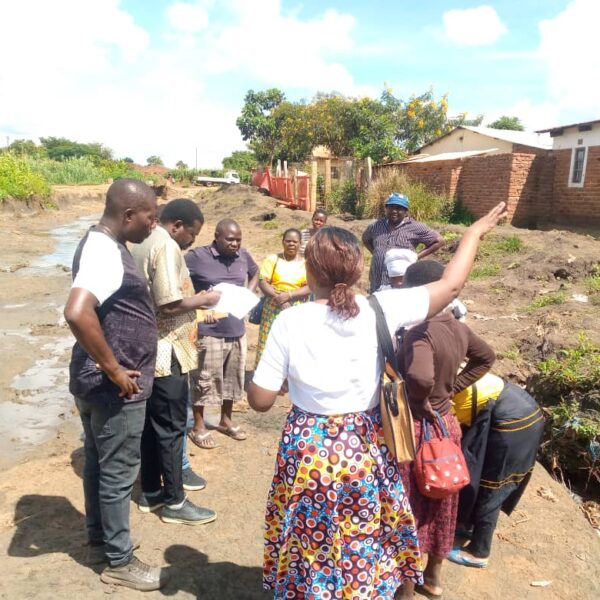
Participants emphasized that future restoration efforts must be designed differently. All relevant stakeholders, including adjacent households, land custodians, block leaders, youth groups and local committees, should be engaged from the outset. Clear ownership arrangements, defined maintenance responsibilities, and community-based monitoring systems must be embedded into project design.
On the other hand, the community waste enterprise, which employs 63 people (43 women and 20 youth) is widely regarded as a success within the settlement. Established in 2009, the initiative is self-sustaining because it is operated and managed entirely by community waste entrepreneurs themselves. External actors were only involved in mobilization, group formation and training. The enterprise has created meaningful employment opportunities, empowered women and young people economically, amplified their voice within the community, and significantly improved cleanliness in the area. Although marketing of waste products remains a challenge, the community is actively working to strengthen market linkages and enhance the long-term sustainability of the enterprise
Many examples were discussed, including challenges related to water and sanitation, soil and land rehabilitation, and sustainable agriculture. However, the key lesson emerging from these reflections is that sustainability depends on placing communities at the center of planning, implementation and monitoring. Restoration efforts must therefore be community-led, community-managed and consistently supervised to ensure lasting impact and genuine local commitment.


Bernard Kondowe is a Learning, Compliance and Quality Assurance Officer for CCODE, where he also serves in a Learning, Monitoring and Evaluation (LME) role. He contributes to organizational learning, ensures compliance with standards, and supports quality assurance across programs. In addition, he plays a key role as a communication and digital strategist, managing CCODE’s website and all social media platforms, where he authors and co-authors news articles, blogs, and posts that communicate the organisation’s initiatives, impact, and community development efforts to a wider audience.